When you measure nanoparticle size, you might assume the results are straightforward, but each common method has quirks that can skew your data nanoparticle size analyzer. Dynamic light scattering often overrepresents larger particles, while electron microscopy’s sample prep can alter particle shape or size. Nanoparticle tracking analysis depends heavily on sample conditions, which can limit accuracy. Understanding these pitfalls is key—otherwise, you risk misinterpreting your nanoparticles’ true characteristics.
Why Dynamic Light Scattering Can Mislead Nanoparticle Sizing
Although Dynamic Light Scattering (DLS) is a popular method for measuring nanoparticle size, it can easily mislead you if you’re not careful. DLS measures how particles scatter light as they move, but it assumes all particles are spherical and evenly dispersed. If your sample has aggregates or irregular shapes, the size distribution it gives won’t reflect reality.
Plus, larger particles dominate the signal, overshadowing smaller ones, which might be critical in your research. You might think you’re getting precise data Lab Alliance, but DLS often overestimates size or masks sample complexity. To truly embrace freedom in your analysis, you need to understand these limitations and not rely solely on DLS. Otherwise, you risk making decisions based on incomplete or skewed information.
How Electron Microscopy’s Sample Prep Affects Size Accuracy
When you prepare samples for electron microscopy, the process can unintentionally alter nanoparticle size and shape. Drying steps often cause particles to shrink or aggregate, masking their true dimensions.
Fixatives or stains you apply might also swell or distort delicate structures, leading to inaccurate size readings. Plus, depositing nanoparticles on a grid can cause uneven distribution, making your measurements less representative of the whole sample.
Because electron microscopy requires a vacuum, any residual solvents evaporate, potentially changing particle morphology. To get closer to accurate sizing, you need to carefully control sample prep conditions, but even then, some artifacts are almost unavoidable.
Understanding these limitations helps you interpret electron microscopy data with the freedom to question and refine your conclusions rather than take measurements at face value.
What Limits Nanoparticle Tracking Analysis Measurements?
Since Nanoparticle Tracking Analysis (NTA) relies on tracking the Brownian motion of particles to determine size, several factors can limit its measurement accuracy.
You need to keep in mind that the technique struggles with very small or very large particles because their motion might be too fast or too slow to track reliably. Also, particle concentration matters—if it’s too high, tracking individual particles becomes difficult, and if it’s too low, you won’t gather enough data.
The medium’s viscosity and temperature fluctuations can alter particle movement, skewing results. Plus, NTA assumes spherical particles, so irregular shapes can throw off size estimates.
Knowing these limits helps you choose NTA wisely and interpret its data with the freedom to question and explore alternatives.
Challenges of Measuring Polydisperse and Aggregated Samples
Understanding the limitations of Nanoparticle Tracking Analysis in handling particle size and concentration sets the stage for tackling more complex samples.
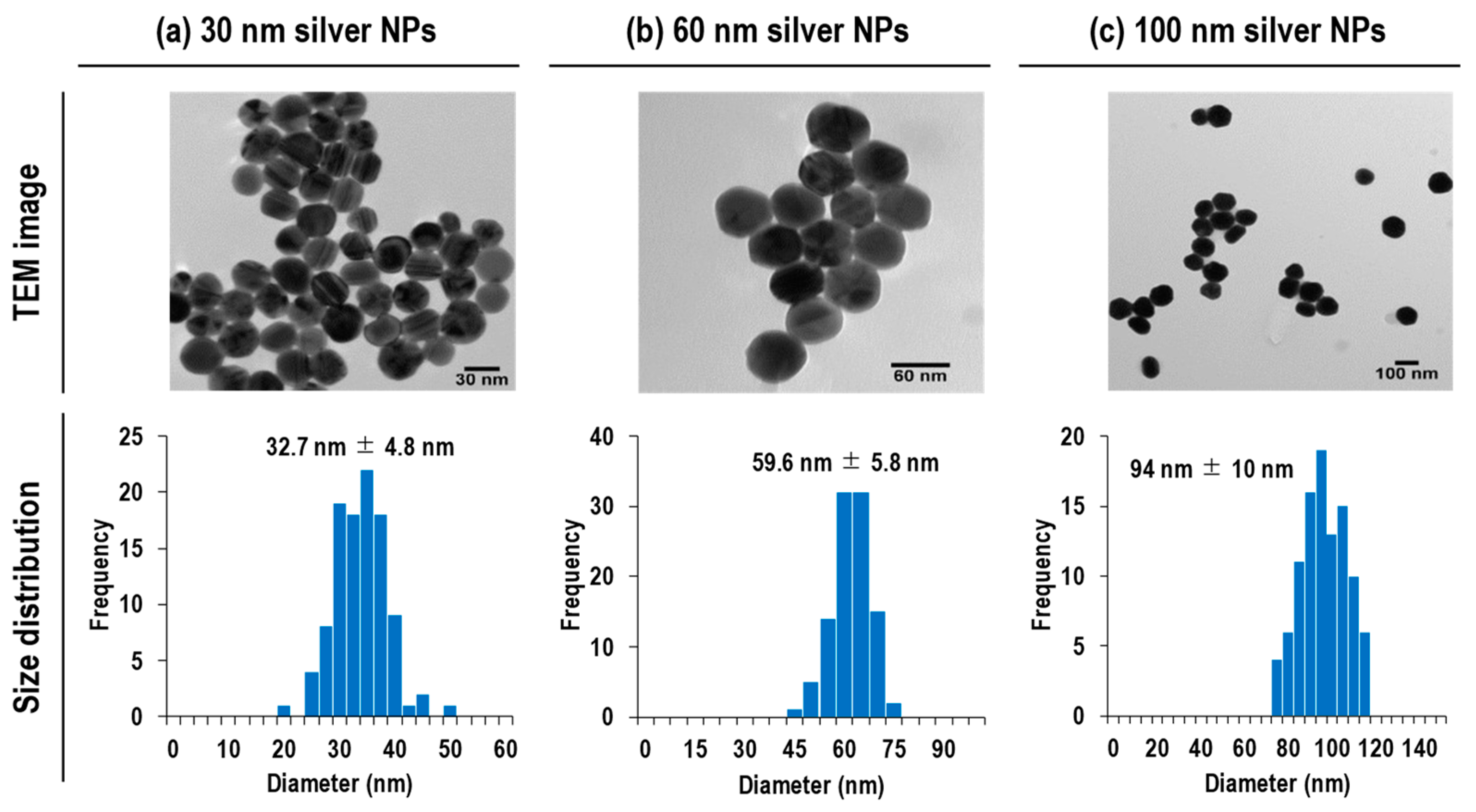
When you measure polydisperse or aggregated nanoparticles, you face extra hurdles.
Different sizes scatter light differently, making it tough to get accurate size distribution.
Aggregates can skew results, as they appear larger and can mask smaller particles.
You might miss subtle details or misinterpret the data, especially if your sample has broad size variations or clumps.
These challenges demand careful sample preparation and sometimes multiple measurement techniques to capture the true picture.
You want freedom from misleading data, so recognizing these obstacles helps you avoid pitfalls and make informed decisions when analyzing complex nanoparticle samples.
Choosing the Right Method Despite Nanoparticle Size Limitations
Although nanoparticle size measurement presents inherent limitations, you can still select the most effective method by considering your sample’s specific characteristics and the goals of your analysis.
To make a smart choice, focus on what matters most for your freedom to explore and innovate:
- Sample Complexity: Is your sample polydisperse or prone to aggregation? Some methods handle these better than others.
- Measurement Environment: Do you need in situ analysis or can the sample be prepared in a controlled setting?
- Data Purpose: Are you looking for average size, distribution, or shape details? Different techniques excel at different insights.
Conclusion
You’ve seen that no single nanoparticle sizing method is perfect. Dynamic Light Scattering can hide smaller particles, Electron Microscopy’s prep may distort true sizes, and Nanoparticle Tracking Analysis struggles with extreme conditions. Polydispersity and aggregation only add to the challenge. To get reliable results, you’ll need to combine techniques thoughtfully, considering each method’s limits. By doing this, you’ll better understand your nanoparticles and avoid misleading measurements.