In the multicultural landscape of Singapore, proficiency in the Chinese language is not just a skill but a strategic advantage.
From fostering cultural integration to unlocking professional opportunities chinese tuition secondary, the ability to communicate effectively in Chinese plays a pivotal role in navigating diverse environments.
This article delves into the significance of Chinese language proficiency in Singapore, exploring how it enhances understanding, communication, and competitiveness in a globalized world.
Cultural Integration and Understanding
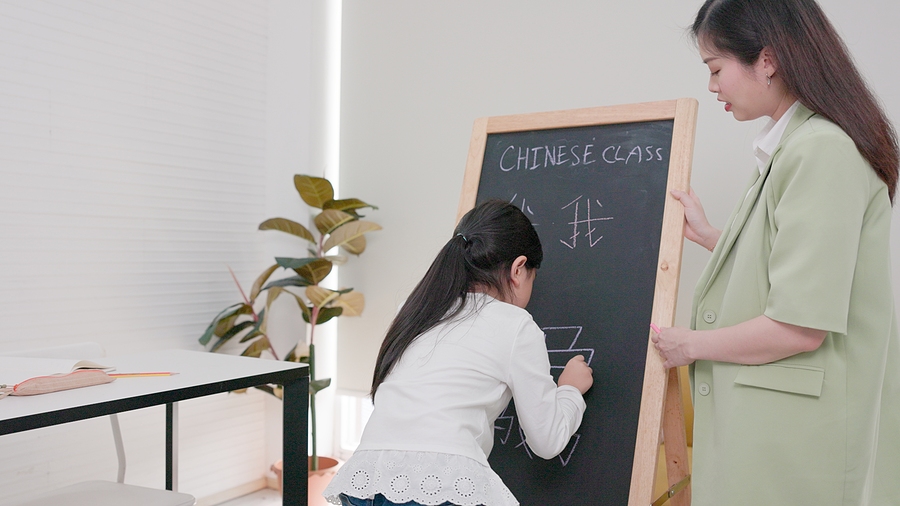
To facilitate cultural integration and understanding in Singapore, a proficient command of the Chinese language is essential. Singapore’s multicultural society comprises various ethnic groups, with the Chinese being the majority. By mastering Chinese, individuals can engage more effectively with the local Chinese community, fostering deeper connections and mutual understanding yanzi mandarin. Language serves as a bridge that transcends cultural barriers, enabling individuals to appreciate traditions, customs, and values different from their own.
Moreover, proficiency in Chinese opens up opportunities for individuals to participate in cultural events, celebrations, and activities within the Chinese community. This active involvement not only promotes cross-cultural awareness but also enriches one’s overall experience of living in Singapore. Embracing the Chinese language demonstrates respect for the local culture and enhances social cohesion in a diverse society like Singapore.
In essence, a strong command of Chinese is not merely a linguistic skill but a gateway to cultural immersion and harmonious coexistence in Singapore’s multicultural landscape. By valuing and investing in language proficiency, individuals contribute to a more inclusive and understanding society where freedom of expression and cultural diversity flourish.
Competitive Edge in the Job Market
Proficiency in the Chinese language provides individuals with a competitive edge in Singapore’s job market, facilitating effective communication and collaboration with a wide range of stakeholders. In Singapore, where multiculturalism is celebrated, being fluent in Chinese opens doors to a plethora of opportunities across various industries.
Employers value bilingualism as it allows for seamless interaction with Mandarin-speaking clients, colleagues, and partners, giving bilingual individuals a distinct advantage in roles that require engaging with Chinese-speaking stakeholders. Furthermore, in a globalized economy, proficiency in Chinese can enhance one’s ability to work on international projects, especially those involving China and other Mandarin-speaking regions.
This versatile skill not only demonstrates cultural awareness and sensitivity but also showcases adaptability and a willingness to bridge communication gaps in diverse work environments. As Singapore continues to thrive as a regional business hub, individuals proficient in Chinese will undoubtedly stand out in the competitive job market, offering unique perspectives and valuable contributions that can drive success in today’s dynamic workplace.
Enhanced Communication in Daily Life
Having mastered the Chinese language, individuals in Singapore experience enhanced communication in daily life, fostering deeper connections and understanding across diverse cultural contexts. The ability to converse fluently in Chinese opens up avenues for meaningful interactions with Mandarin-speaking communities, facilitating smoother transactions in various settings such as markets, public transport, and social gatherings. This proficiency not only enables individuals to navigate daily tasks with ease but also empowers them to engage more intimately with Chinese-speaking friends, colleagues, and neighbors.
Moreover, enhanced communication skills in Chinese contribute to a more inclusive society where language barriers are minimized, allowing for the exchange of ideas and experiences without hindrance. It promotes mutual respect and appreciation for different cultural perspectives, nurturing a harmonious environment where individuals from all walks of life can come together to share, learn, and grow. Ultimately, the ability to communicate effectively in Chinese enriches daily interactions, fostering a sense of unity and solidarity within the diverse tapestry of Singaporean society.
Academic and Educational Advantages
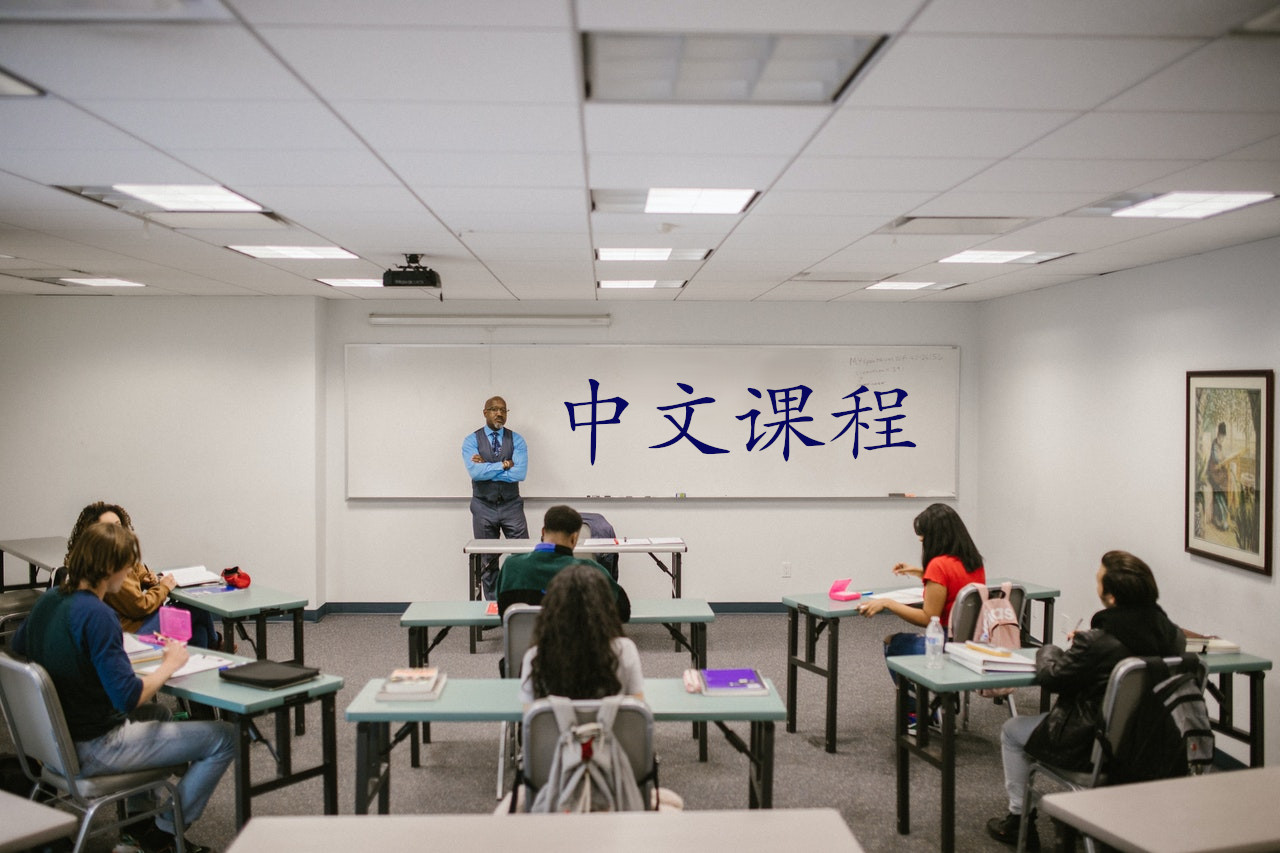
Individuals with a strong command of the Chinese language in Singapore gain significant academic and educational advantages. Mandarin Chinese is one of the official languages of Singapore and is a crucial component of the country’s education system. Students proficient in Chinese have access to a wealth of educational resources, including a vast array of Chinese literature, history, and cultural studies that can broaden their perspectives and knowledge base.
Moreover, Chinese language proficiency provides students with a competitive edge in the job market, especially in sectors that require communication with Chinese-speaking clients or partners. Many multinational companies value employees who are bilingual in English and Chinese, opening up opportunities for career advancement and international business prospects.
Furthermore, mastering Chinese can facilitate educational opportunities both locally and abroad. Singaporean students proficient in Chinese may be eligible for scholarships, exchange programs, and academic collaborations with Chinese universities, enhancing their academic journey and global outlook. In essence, a strong command of the Chinese language not only enriches one’s educational experience but also opens doors to a myriad of academic and career possibilities in Singapore and beyond.
Access to a Wealth of Opportunities
Access to a wealth of opportunities is inherent for those with a strong command of the Chinese language in Singapore. As a multicultural society, Singapore values bilingualism, with English and Mandarin being official languages. Proficiency in Chinese opens doors to a plethora of opportunities in various sectors such as business, government, education, and tourism.
In the business world, being able to communicate effectively in Chinese provides a competitive edge, especially when dealing with Chinese-speaking clients or partners. Many multinational corporations value employees who can bridge cultural and linguistic gaps, making Chinese proficiency a valuable asset in the job market. Additionally, Singapore’s strong economic ties with China mean that knowing Chinese can lead to lucrative business prospects and career advancements.
Moreover, in the government sector, individuals with Chinese language skills can contribute significantly to diplomatic relations, trade negotiations, and policy-making processes. Understanding Chinese language and culture allows for better collaboration and mutual understanding between Singapore and China, fostering stronger bilateral ties.
Conclusion
In conclusion, the importance of Chinese language proficiency in Singapore cannot be understated. It plays a crucial role in cultural integration, provides a competitive edge in the job market, enhances communication in daily life, offers academic and educational advantages, and opens up a wealth of opportunities.
Embracing the Chinese language not only enriches individuals’ lives but also contributes to the overall social, economic, and cultural development of Singapore.