The field of material science is experiencing a significant shift with the integration of the latest universal testing machine technology. Researchers are now able to delve into the intricate properties of diverse materials with unprecedented precision and efficiency sieve test. These advancements not only enhance the understanding of material behaviors but also pave the way for groundbreaking discoveries in various industries. Stay tuned to explore how these cutting-edge technologies are reshaping the landscape of material science and propelling research to new heights.

Evolution of Universal Testing Machines
The evolution of universal testing machines has been characterized by a continuous refinement and enhancement of their capabilities to meet the changing demands of material science research and industrial applications. These machines, originally developed to analyze the mechanical properties of materials, have progressed significantly over the years. Initially focused on basic tensile and compression tests, modern universal testing machines now offer a wide range of testing capabilities, including bending, tearing, and fatigue testing.
Advancements in technology have led to the integration of features such as automated testing procedures, increased load capacities, higher precision in measurements, and improved data analysis and reporting capabilities. The shift towards digital interfaces and software-driven controls has revolutionized how these machines are operated and the level of accuracy they can achieve.
Furthermore, the evolution of universal testing machines has also seen improvements in terms of versatility and adaptability to different materials and testing scenarios. This trend towards flexibility has enabled researchers and industry professionals to conduct a diverse array of tests using a single machine, thereby enhancing efficiency and productivity in material testing processes.
Enhanced Testing Capabilities
Advancements in material science have driven the development of enhanced testing capabilities within universal testing machine technology. These advancements have led to the integration of advanced features such as multi-axis testing, dynamic testing, and high-temperature testing. Multi-axis testing allows for the application of forces in multiple directions simultaneously, providing a more comprehensive understanding of material behavior under complex loading conditions.
Dynamic testing enables the evaluation of materials under varying load rates, frequencies, and amplitudes, mimicking real-world operating conditions. High-temperature testing capabilities have also been enhanced, allowing for the assessment of material properties at elevated temperatures to simulate extreme environments.
Furthermore, the latest universal testing machines are equipped with advanced data acquisition systems and software interfaces that enable real-time monitoring and analysis of test data. This real-time feedback loop enhances the accuracy and reliability of test results, providing researchers and engineers with valuable insights into material performance.
Impact on Material Analysis
The integration of universal testing machine technology has significantly improved material analysis processes.
With enhanced testing accuracy and faster data collection capabilities, researchers can obtain precise insights into the properties and behaviors of various materials.
This advancement allows for more efficient and reliable material analysis in the field of material science.
Enhanced Testing Accuracy
With the implementation of enhanced testing accuracy in material analysis, researchers can now delve deeper into the structural properties of various materials. By achieving higher levels of precision and reliability in testing, the latest universal testing machine technology allows for more accurate measurements of key material characteristics such as strength, elasticity, and ductility.
Enhanced testing accuracy enables researchers to detect subtle variations in material behavior, leading to a more comprehensive understanding of how different factors influence a material’s performance. This advancement in testing accuracy paves the way for more precise material analysis, aiding in the development of innovative materials with improved properties for a wide range of applications across industries.
Faster Data Collection
Researchers harnessing the capabilities of faster data collection in material analysis can now expedite the process of acquiring critical insights into the structural properties of diverse materials.
With advancements in universal testing machine technology enabling quicker data collection, researchers can significantly reduce the time needed for comprehensive material analysis. This acceleration in data collection not only enhances efficiency but also allows for a more in-depth exploration of material behavior under various conditions.
Precision in Data Collection
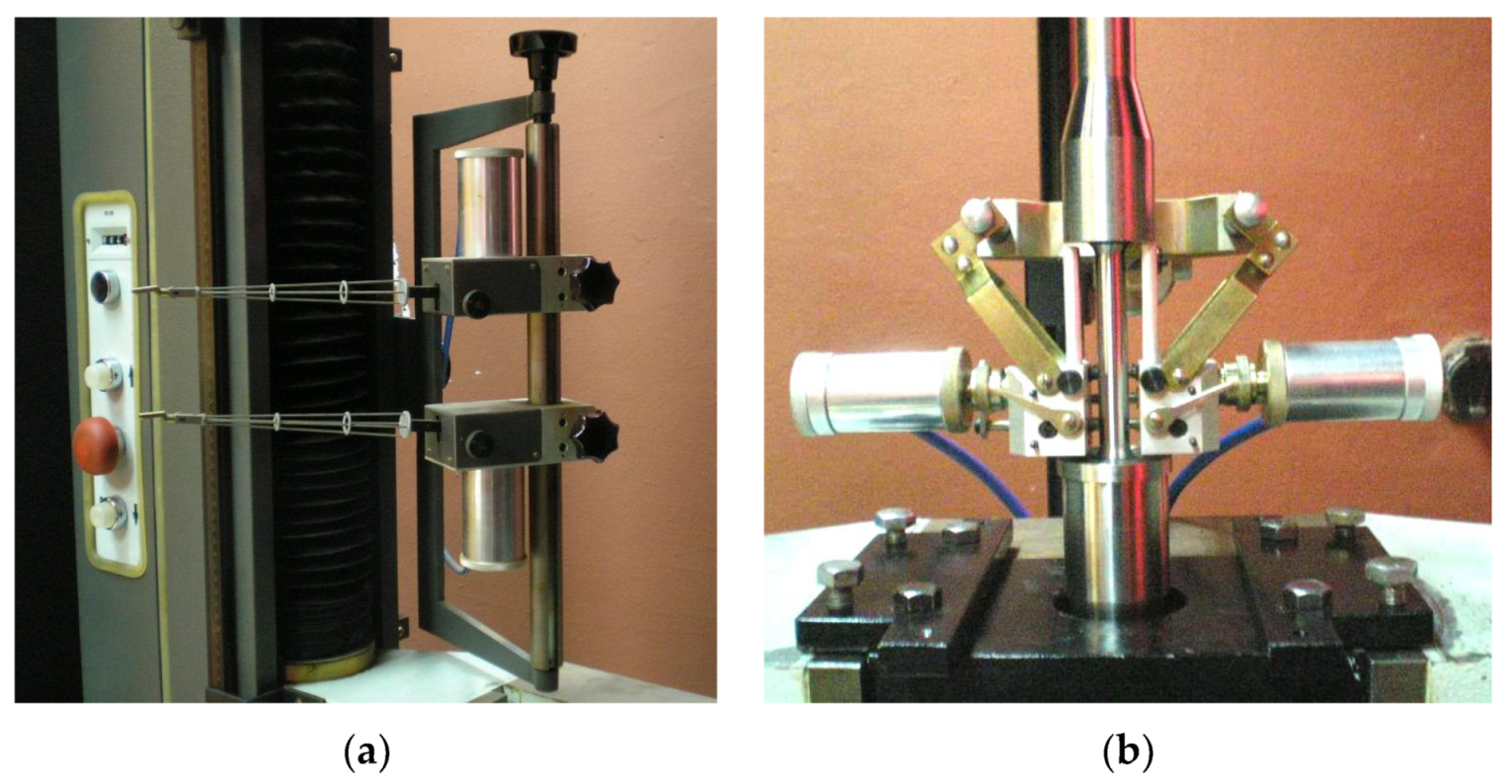
To achieve optimal results in material science research, precision in data collection is paramount. The accuracy of data directly impacts the validity and reliability of research findings. Utilizing advanced universal testing machine technology ensures precise measurements of material properties such as tensile strength, elasticity, and hardness. High-precision sensors integrated into these machines enable the collection of data with minimal errors, providing researchers with confidence in the results obtained.
Precision in data collection is essential for identifying subtle variations in material behavior, crucial for developing new materials with enhanced properties. Researchers rely on precise data to make informed decisions regarding material selection, design, and optimization processes. By ensuring data accuracy through advanced testing equipment and calibration procedures, researchers can minimize uncertainties and errors in their analyses.
In material science, even minor inaccuracies in data collection can lead to significant deviations in results, affecting the overall quality of research. Therefore, prioritizing precision in data collection is fundamental for advancing the field and pushing the boundaries of material science research.
Efficiency in Testing Processes
Efficiency in testing processes is crucial for optimizing material science research and development. Streamlined test procedures can significantly reduce testing time and increase overall productivity.
Moreover, improved data accuracy resulting from efficient testing processes enhances the reliability of research outcomes.
Streamlined Test Procedures
Utilizing streamlined test procedures is essential for maximizing the efficiency of material testing processes in the realm of material science and universal testing machine technology.
By implementing optimized testing protocols, researchers and engineers can significantly reduce the time and resources required to conduct experiments while maintaining high levels of accuracy.
Streamlined test procedures involve carefully designing the testing sequence, minimizing unnecessary steps, and automating repetitive tasks wherever possible. This approach not only speeds up the testing process but also enhances the overall productivity of the laboratory.
Through the use of standardized procedures and advanced testing methodologies, organizations can ensure consistent and reliable results, ultimately advancing the field of material science and pushing the boundaries of universal testing machine technology.
Improved Data Accuracy
Enhancing data accuracy in testing processes is paramount for ensuring the reliability and validity of results in the field of material science and universal testing machine technology.
Improved data accuracy can be achieved through various means, such as calibrating testing equipment regularly, utilizing advanced sensor technologies, and implementing robust data collection and analysis protocols.
By focusing on improving data accuracy, researchers and engineers can minimize errors, enhance reproducibility, and ultimately advance the understanding of material properties and behavior.
Additionally, accurate data is crucial for making informed decisions regarding material selection, product development, and quality control.
Embracing improved data accuracy not only enhances the efficiency of testing processes but also elevates the overall credibility and impact of research in material science and universal testing machine technology.
Advantages for Research Applications
Researchers can leverage the capabilities of universal testing machine technology to enhance the precision and reliability of material science experiments. These machines offer a wide range of advantages for research applications, including the ability to conduct a variety of mechanical tests such as tension, compression, bending, and fatigue testing on different materials. The precise control over testing parameters like load, displacement, and strain allows researchers to obtain accurate and repeatable results, crucial for advancing material science. Additionally, universal testing machines enable the testing of materials under various environmental conditions, providing insights into how different factors may affect material properties.
Furthermore, the flexibility of universal testing machines allows for customization based on specific research needs, ensuring that experiments are tailored to meet the objectives of the study. This adaptability enables researchers to explore a wide range of materials and test configurations, ultimately leading to a more comprehensive understanding of material behavior. Overall, universal testing machine technology serves as a valuable tool for researchers seeking to push the boundaries of material science through rigorous experimentation and analysis.
Innovations in Test Control Software
Recent advancements in test control software have revolutionized the way universal testing machines operate, elevating the precision and efficiency of material science experiments. The latest innovations in test control software now offer researchers a high degree of customization and flexibility in designing and executing tests. These advancements enable users to precisely control various parameters such as load, displacement, velocity, and temperature, allowing for more accurate and repeatable testing procedures.
One significant improvement is the integration of real-time data analysis tools within the test control software. This feature enables researchers to monitor test progress, analyze results as they are generated, and make informed decisions on the fly. Additionally, modern test control software often includes intuitive user interfaces that streamline the testing process, reducing the time required to set up and conduct experiments.
Future Trends in Material Science
The evolution of material science is poised to be shaped by upcoming technological breakthroughs and interdisciplinary collaborations. Future trends in material science indicate a shift towards advanced biomaterials, nanotechnology, and sustainable materials. Biomaterials are expected to play a significant role in medical applications, such as tissue engineering and regenerative medicine.
Nanotechnology will continue to revolutionize material design, enabling the development of new materials with enhanced properties at the nanoscale. Sustainable materials, including biodegradable polymers and recyclable composites, are gaining traction due to environmental concerns and regulations.
Moreover, the integration of artificial intelligence (AI) and machine learning in material science research is projected to accelerate material discovery and optimization processes. AI algorithms can analyze vast amounts of data to identify novel materials with specific properties, leading to faster innovation cycles. Additionally, 3D printing technology is advancing, allowing for the fabrication of complex structures and customized materials.
These future trends promise to reshape the landscape of material science, offering new possibilities for applications across various industries.
Conclusion
In conclusion, the latest advancements in universal testing machine technology have significantly contributed to the evolution of material science research.
The enhanced testing capabilities, precision in data collection, efficiency in testing processes, and innovations in test control software have revolutionized the way materials are analyzed and understood.
With these advancements, researchers can conduct comprehensive experiments, collect accurate data, and achieve reliable results, pushing the boundaries of material science to new frontiers.